
Lost in Panslation - Issue 2
Kanel och kardemummabullar & mirze ghasemi
How many times can I begin an issue by declaring “this one is extra special” before it becomes redundant? Regardless, you really are in for a treat today as you’re getting 2 for 1. And I can assure you you’re not going to reach the end of this newsletter and find out the 2 for 1 offer wasn’t actually valid on your selected products.
This week’s contributor, Hanna, grew up in Stockholm but spoke Farsi with family at home. When she shared not one but two recipes (actually she recommended multiple, I will link them all at the end), I knew it was going to be a challenge, but the best kind.
I think I came out of both recipes reasonably unscathed and also managed to pick up a few interesting nuggets along the way. These can be found at the end with a list of further reading and also links to the recipes used.
Kanel och kardemummabullar
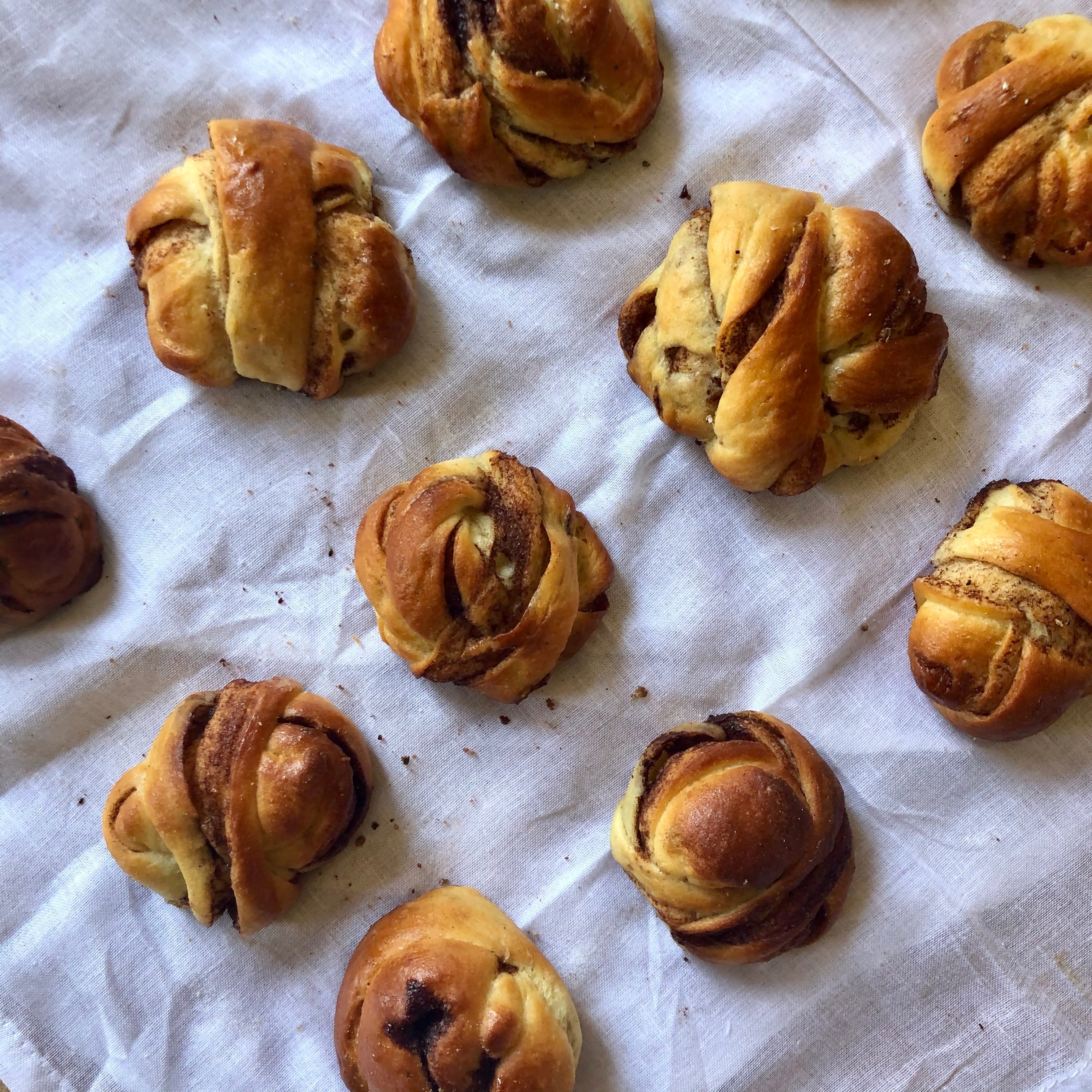
Before we get into it, Hanna shared a few words on these little luxurious buns. Her English translation is just below.
Kanel och kardemummabullar är en stor favorit hemma i Sverige. Många har säkert hört talas om svenska konceptet ”fika” där man träffas och äter en sötsak/bakelse med te eller kaffe. När jag fikar är dessa bullar ett måste! Jag minns även tillbaka till skolan och elevensval då vi fick baka dessa fantastiska bullar med klassen, och fikapauserna där lukten av dessa nybakade bullar fick munnen att vattna. Sverige är känt för många godsaker (med all rätt) och en av de absolut främsta är dessa lyxiga bullar enligt mig. Jag hoppas att även ni njuter av dessa goda bullar och skapar goda minnen med dom. Kram, Hanna
Cinnamon and cardamum buns is a big favorite home in Sweden. Many have surely heard the Swedish term “fika” where people meet up and eat something sweet with tea or coffee. When I go for a “fika” having one of these buns is a must! I also think back on “Elevensval” (a day in school where students (“elever") are given a choice (“val") to do an activity during school hours), and as many others I dedicated that day to baking and cooking where we often made these delicious buns with my class. Sweden is known for many of its sweets (with every right) and one of the greatest sweets are these luxurious buns in my opinion. I hope that you enjoy these yummy buns and create great memories with them. Hugs, Hanna
So yes, no pressure. Did I rise to the challenge?
I am pleased to announce the dough did in fact rise this time. It turns out yeast is pretty important and adding it does make a difference. And no, I’m not still bitter about the Pan Dulce debacle…
Whilst the recipe translated pretty coherently, there was more maths involved than I expected. Not only did I attempt to halve the recipe, it also called for decilitre rather than millilitre. It was then brought to my attention that fresh and dried yeast are quite different and that putting 25g of dried yeast would have been inadvisable. So that was another thing I had to convert. In the end, I made 21 mini buns rather than 10 ‘normal’ sized buns. However, the more the merrier is my party line, so no complaints.
It’s important to note here that the afternoon project was made significantly easier by the help of a stand mixer. I just sat and watched the repetitive paddle motion for a good 15 minutes, mesmerised by it all. If you’re looking for something therapeutic to do, spreading cinnamon sugar filling and twirling dough strips around your fingers into a knot isn’t a bad shout.
After demolishing the buns, I craved something savoury. Enter Persian cuisine, the latter of the 2 for 1 that was promised.
Mirze ghasemi
(To retain the formatting, I screenshot Hanna’s words and inserted it as an image - the full extent of my IT skills).
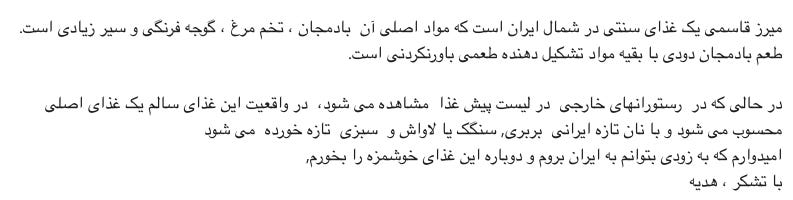
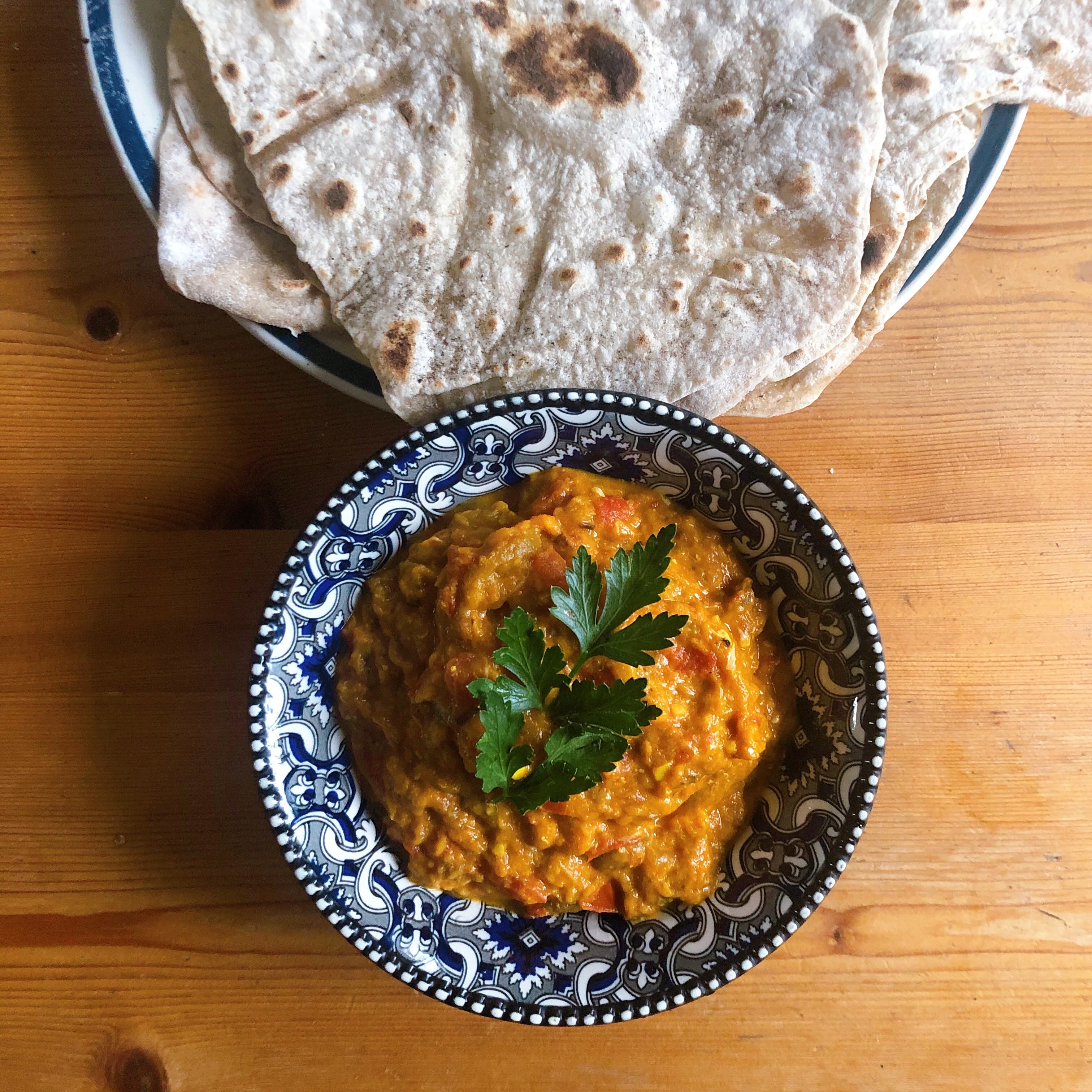
Mirze ghasemi is a traditional Northern Iranian dish with key ingredients being aubergines, eggs, tomatoes and lots of garlic. The smoky taste of aubergines combined with the rest of the ingredients create an incredibly rich flavor. While this dish is often found in the appetizers section in Persian restaurant menus in Europe, this healthy dish is actually considered a main course and is eaten with lots of freshly baked Persian bread such as barbari, sangak or lavash and lots of fresh herbs. I am looking forward to the day I can visit Iran and have this authentic dish and fresh bread again. Until then, I hope this dish gives you a small glimpse into the colorful and tasty Persian cuisine that I grew up with. Merci, Hedie
The main takeaway from this dish - when in doubt, add more garlic. I put five cloves in but I think I was a bit too restrained. If you disagree, I think it’s time for you to unsubscribe and we can part ways.
What I didn’t expect from this dish was that there would be egg involved. But I was pleasantly surprised by the fact that it added a nice creamy note. Also note to future self, turn off the heat first and then stir in the eggs at the end. I think I was verging on a scramble frenzy, but it was delicious nevertheless.
The recipe itself was written in Swedish and all in all, it was simple enough to follow. Hanna may have gone easy on me this round, but there are now so many other delicious Persian dishes I want to try.
As promised, I’ll leave you with a few nuggets and a further reading list:
Nuggets/food for thought
Cardamom is not native to Sweden, how did it get there?
Mixed theories behind the arrival of cardamom in Scandinavia. 1) Typically points to the Vikings, who allegedly introduced the spice to the region after trading with the Byzantine Empire in what is now Turkey. 2) Moors, a Muslim population that shaped European culture after establishing a presence on the Iberian Peninsula in the 8th century.
A light-bulb moment.
I distinctively remember the first time I came across cardamom. Not in a baked treat but rather in my friend Alina’s coat pocket at school. On occasions, I would borrow her coat and when I dug my hand in, I would bring out little cardamom husks. She used to nibble on the pods and I thought nothing more of it. Turns out, she wasn’t the only one. Throughout history, it has been used as a breath freshener and also has medicinal benefits.
Similarities between Chinese and Persian culture.
For both Chinese and Persian New Year (新年/xin nian and Nowruz respectively), cleaning homes, buying new clothes and eating lots of symbolic food is tradition. There is also a classic Persian rice dish called tahdig which is essentially the crispy crust found at the bottom of the rice pot. Similarly, my dad reminisces the guo ba (锅巴) he had as a child which he used to fight his brothers for, which again is the crispy rice at the bottom of the pot. With the advent of rice cookers, they now appear in the form of manufactured snacks, which my dad laments is just not quite the same.
Further reading
The recipes:
Hanna’s other recommendations:
Koko sabzi - herb omelette (easy enough to plug through Google Translate)
Kashke bademjoon - aubergine dip made with onions, mint and walnuts
Khoresht gheymeh - stew made with yellow split peas, meat, fried onion, tomato paste and dried lime powder
Interesting articles:
NYT - Samin Nostrat’s essential Persian dishes
The Feast - Cardamom is Queen: Sweden’s Surprising Spice (includes a podcast)
Insta accounts to check out:
historyeats
disaporaco
Next week I tackle borscht. FYI - I’ve never cooked beetroot, this should be interesting.